
Davidson County Deed Records
Davidson County deed records are the key paper trail for land in Nashville and the rest of the county. If you need a deed, deed of trust, release, plat, or old index entry, the Register of Deeds office and the Metro Archives are the places to work from. Davidson County has records that reach back to 1784, so searches can move from a recent online filing to a very old chain of title. Some requests are quick. Others need a careful run through the book and page history. Either way, the county keeps the record trail tied to the land.
Davidson County Quick Facts
Davidson County Deed Records Office
The Register of Deeds office for Davidson County is at 300 Deaderick Street in Nashville. Karen Johnson is the Register of Deeds. The office phone number is (615) 862-6790 and the fax number is (615) 862-6791. Office hours are Monday through Friday, 8:00 AM to 4:30 PM. That office handles the current deed books, the daily recording flow, and the copies many searchers need for title work. If your question is narrow, the staff can usually tell you whether the record is in the current office or in the archive side of the county record set.
The official county page is the first place to check before a trip. 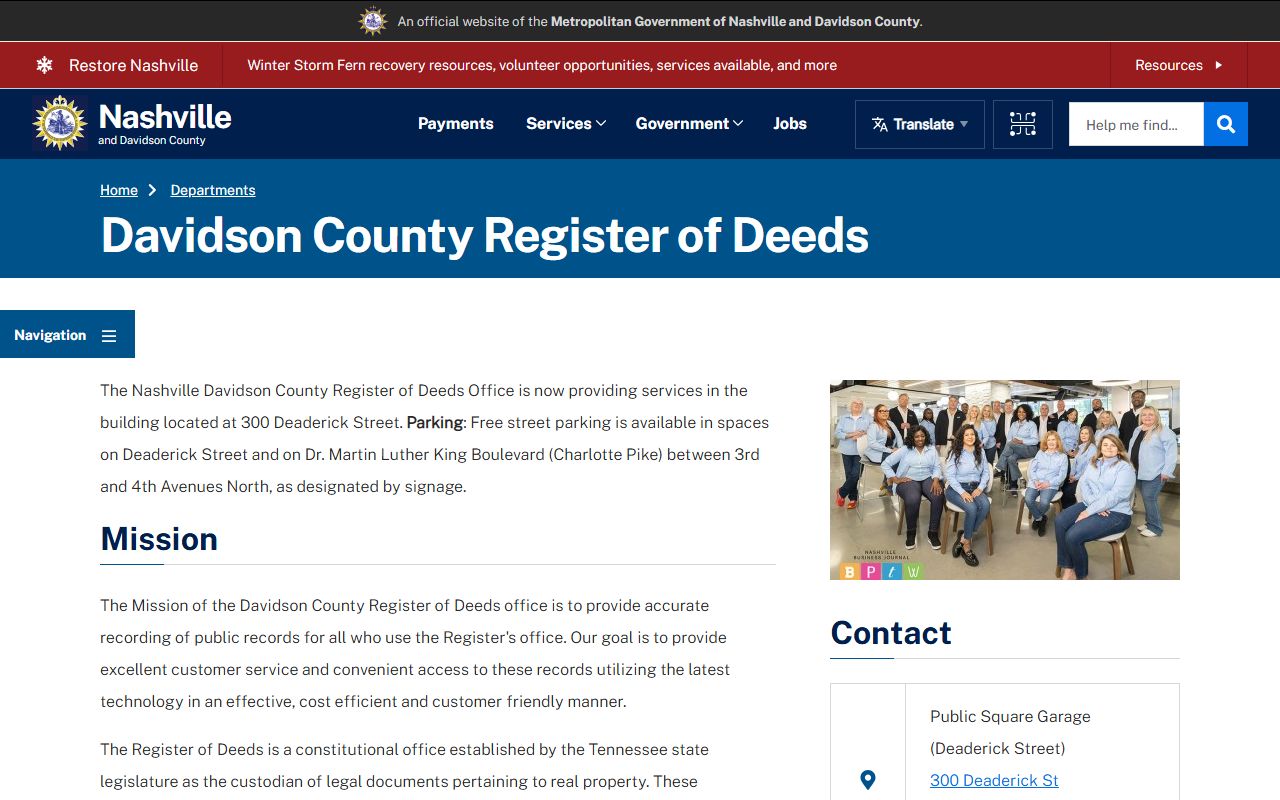 The page is useful because it points you to the right office and helps you confirm the local setup. After that, the deed books can do the real work. Davidson County has a deep record set, so the office details matter just as much as the old document itself.
Deed records in Davidson County are public under T.C.A. § 10-7-503. That means inspection is allowed during business hours unless another law blocks access. It also means the county must keep a clear public records policy for requests and copies. The practical result is simple. If you know the right name, date, or book reference, you can ask for the record and pay the copy fee if you need one.
How to Search Davidson County Deed Records
The fastest Davidson County deed search usually starts online. The county portal at davidsonportal.com gives you name and date search tools, plus document images for full access. 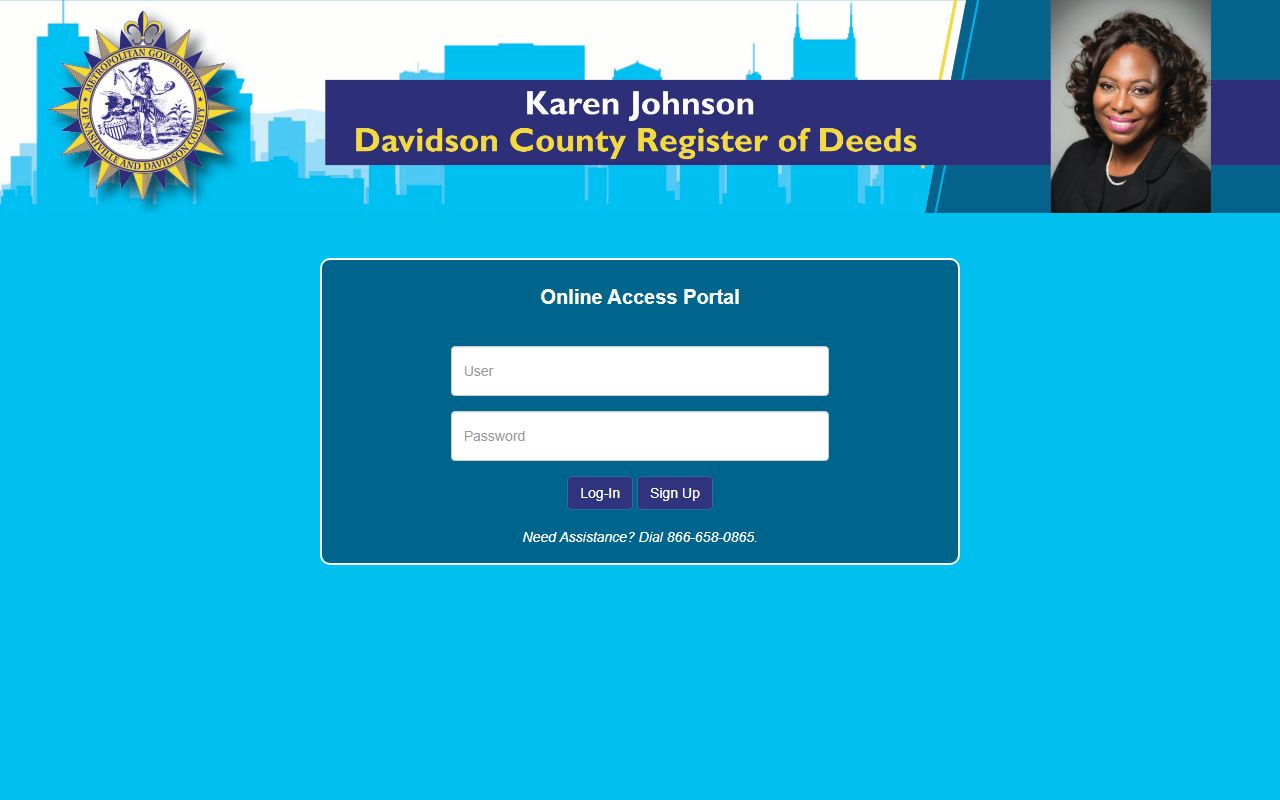 Search by grantor, grantee, date range, instrument number, or book and page. That makes the portal useful for both fresh filings and older title checks. A subscription is needed for full access, but the search path is still fast once you know the name you want.
Not every record is easy to read from a screen. Some people only need a quick look. Others need to inspect the entire document and check the legal description line by line. That is where the office copy and the archive side of Davidson County help. If you are checking a deed of trust, a release, or a plat, the portal can point you to the record first, then the office can give you the paper trail that follows it.
The county also uses the same basic deed rules the rest of Tennessee follows. Under the CTAS legal guidance, deeds should be legible, signed, notarized or witnessed, and marked with the owner name, taxpayer name, preparer name, and parcel ID. Those details are not side notes. They are the parts that make a Davidson County deed easy to index and easier to trust when someone later pulls the chain of title.
Davidson County Deed Records Fees
Fees in Davidson County follow Tennessee law and the county fee schedule. A deed can trigger recording fees, a computer fee, transfer tax, and sometimes mortgage tax. Copy fees also apply. The county lists non-certified copies at $0.50 per page and certified copies at $1.00 per page in the research packet. That makes the office useful for both basic copies and certified copies when you need proof for a closing, a lender, or a title file.
State tax rules are in T.C.A. § 67-4-409. The transfer tax is $0.37 per $100 of value or fraction, and mortgage tax is $0.115 per $100 of indebtedness, with the first $2,000 exempt. Davidson County also uses the county electronic filing fee for e-filed instruments when the filing setup applies. If you are recording a deed of trust or a plat, the fee can change based on the page count and the document type, so a quick office check is smart.
For searchers, the bigger issue is not just price. It is knowing what the office will accept. A deed that lacks a legible description, original signatures, or the right parcel information can slow down the work. That is why Davidson County searchers often review the document before they record it. One clean filing makes the next title search much easier.
What Davidson County Deed Records Include
Davidson County deed records show a lot more than a sale. They can show warranty deeds, quitclaim deeds, deeds of trust, releases, assignments, powers of attorney, liens, plats, and other recorded documents. The data in the research packet also notes instrument number, recorded date, book and page, grantor and grantee names, legal description, property address, consideration, document type, and number of pages. That is the kind of detail that makes the county record useful for title work and ownership history.
The historical side of Davidson County is especially strong. The deed indexes run from 1784 to 1924, the deed records from 1784 to 1901 are at Metro Archives, and the current records from 1901 to the present stay at the Register of Deeds office. That split matters. It tells you where to start based on the age of the tract. If a deed is old enough, the archive may be the better first stop. If it is recent, the county office is usually faster.
When you need the archive side, the Metro Archives page at freepages.rootsweb.com/~nashvillearchives/history/info.html gives you the county collections tied to Nashville history. 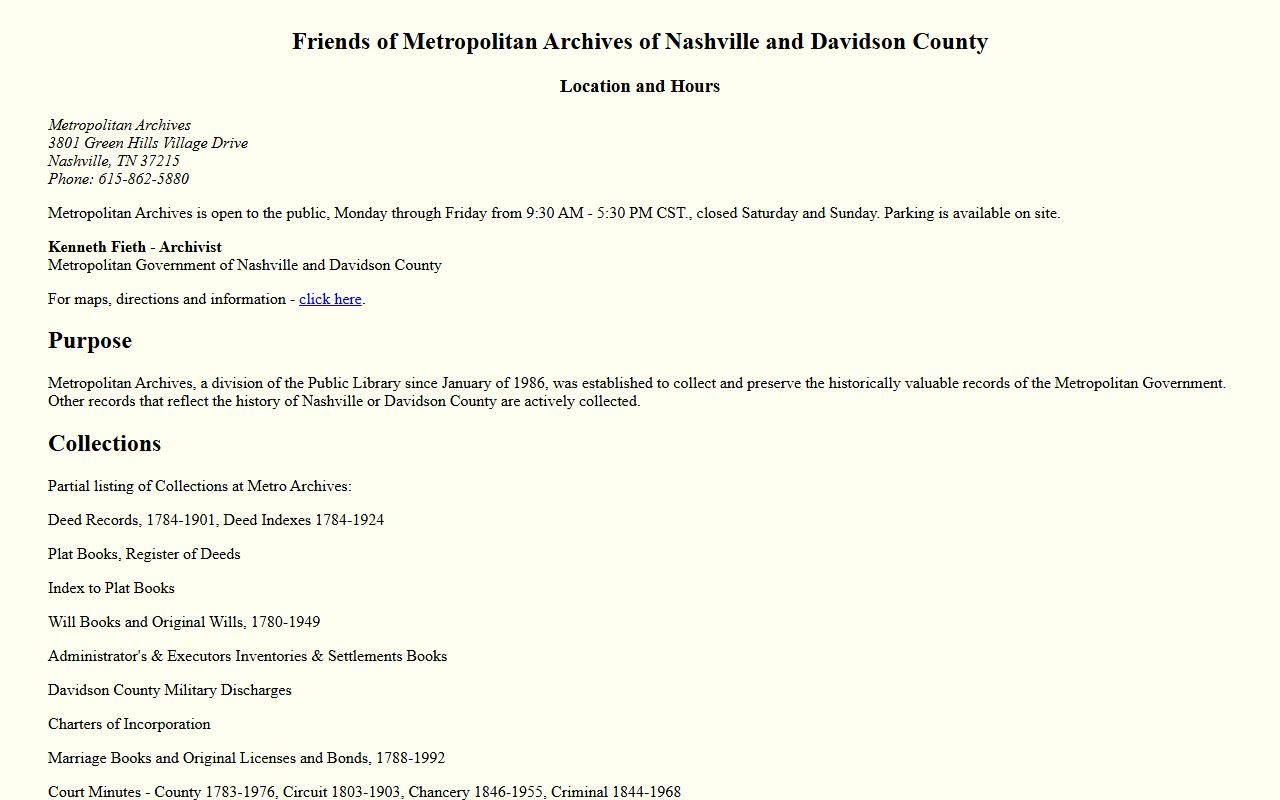 The archive side is broad. It includes deed records, indexes, plat books, wills, marriage books, court minutes, naturalizations, city directories, maps, photos, and more. That makes Davidson County one of the deeper property record sets in Tennessee.
Davidson County Deed Records History
Davidson County has records that stretch back to territorial days. That is why old title questions in Nashville can get deep fast. A single tract may move through several owners, then split, then merge, then show up again in a later book. If you only search the newest filing, you may miss the older link that explains the present one. The archive side is there to solve that problem. It keeps the long paper trail from getting lost.
Researchers also use the county records guide from TSLA when they need a backup path for older books. The guide at sos.tn.gov/library-archives/researchers/county-records helps when a date range is broad or when a book reference is not enough to finish the job. In Davidson County, that can matter because the old land records are not all in one place. The county office and the archive work together, and the search gets better when you know which side holds the year you need.
The county history also shows up in the rest of the archive list. Nashville city directories, planning maps, court minutes, and old photos can help explain why a tract was divided or how a street changed over time. Those records are not deeds, but they can support the deed search. That is especially true in a city county like Davidson, where land use and development changed fast.
Related Davidson County Property Records
Deed records line up best with assessment data. The county property assessor side gives you parcel numbers, tax values, and map data that can confirm the tract before you ask for a copy. The Tennessee property assessment portal at tnmap.tn.gov/assessment is a useful match for deed work because it lets you connect the owner name and parcel ID to the land record. In Davidson County, that extra step saves time when the property has been sold many times or when the description is wide.
The county also offers a property alert service and other tools that help owners watch for unexpected filings. That is useful when a name appears in the deed book and you want to know whether the record is routine or worth a closer look. The county register and the assessment side are not the same office, but they support the same land history. Together, they make Davidson County deed research much easier to read.
The official county record directory is a good statewide backstop if you need a quick contact check for the office. 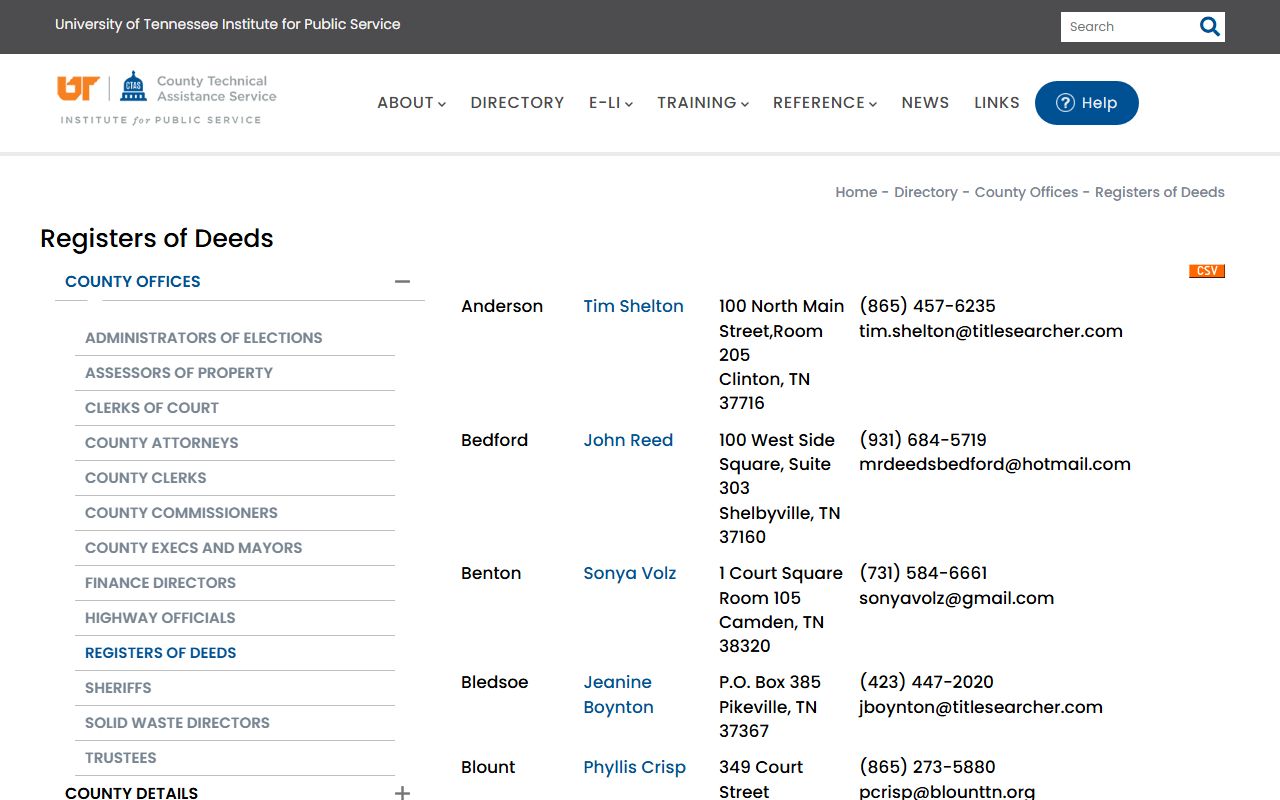 It does not replace the record system, but it is a clean way to confirm the office details before you move on to a deed search or a copy request.
Browse More Tennessee Deed Records
If you need another county, the county directory can send you to the right office fast. The research path stays steady even when the local setup changes.