
Search Giles County Deed Records
Giles County deed records are the main trail for land moves, liens, plats, and related papers in and around Pulaski. The county was formed in 1809, so its land books can reach back across a long run of names and tracts. If you need a deed copy, want to confirm a book and page, or are trying to line up a parcel with the right owner, the Register of Deeds office is the first stop. This page collects the office details, the state archives path, and the property tools that can help you narrow the search.
Giles County Deed Records Quick Facts
Where to Find Giles County Deed Records
The Giles County Register of Deeds is Tammy Helton. The office is at 1 Public Square, P.O. Box 678, Pulaski, TN 38478. The phone number is (931) 363-5137, the fax is (931) 363-1509, and the email is thelton@gilescountytn.gov. Giles County does not need a fancy path to start. The office contact line is enough when you have a name, a year, or a book clue.
The image below points to the CTAS register of deeds directory page for Giles County. That state directory is useful when you want the office path in one place, or when you want to cross-check the register before you call or mail a request.
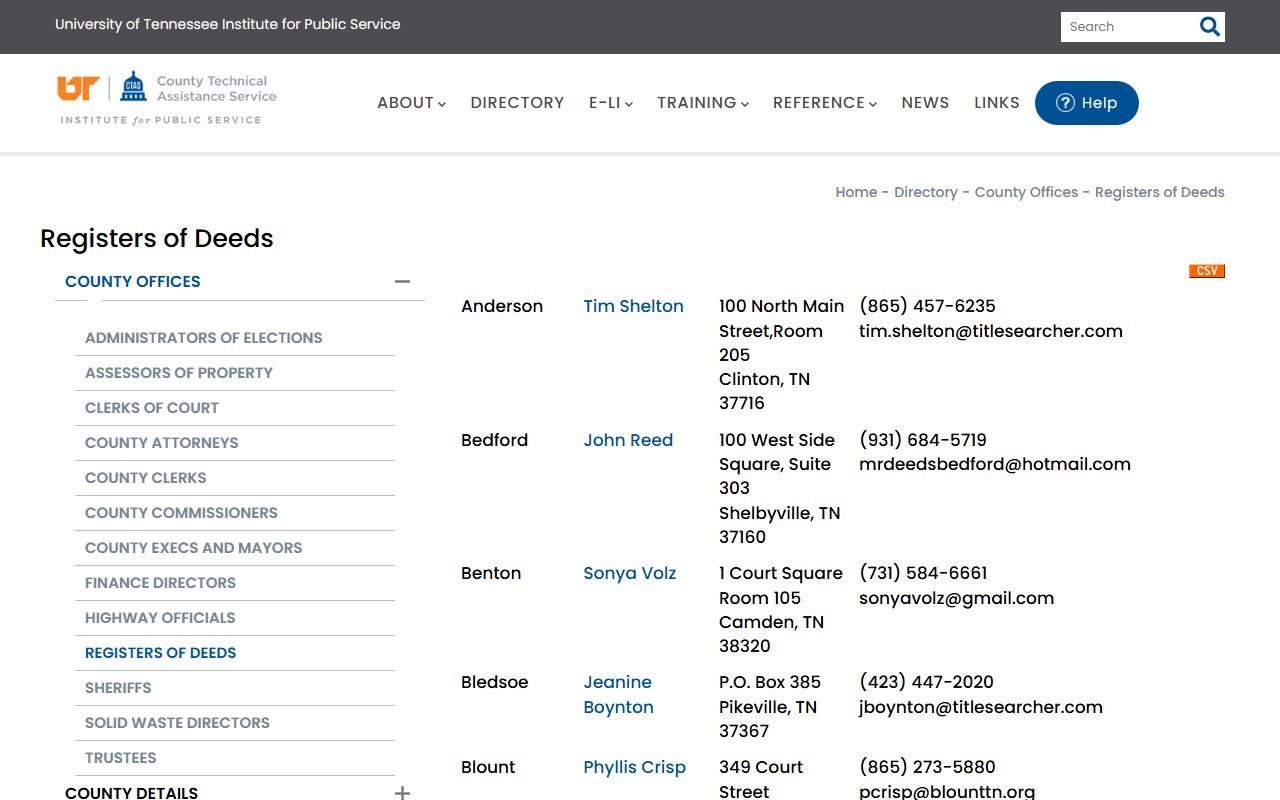
Land records in Giles County begin with county formation in 1809. That gives the office a long run of deeds, liens, and plats to work from. If the property came through more than one generation, the older books can matter just as much as the newest file.
How to Search Giles County Deed Records
Start with a name. Then add a date range if you know it. The state deed guide from the Tennessee State Library and Archives explains why both grantor and grantee indexes matter. A deed may sit under a sale name, an heir name, or a trustee name rather than the name you first expect.
Giles County deed records work best when you match the office books with the parcel clues from the assessor side. The Comptroller property assessment page and the TNMap assessment portal can help you line up an owner, a parcel ID, and the land description that appears in the deed.
If you have an old tract, the TSLA microfilm path can fill gaps that the county counter may not solve in one visit. That is especially true when you only know the family name or a rough decade. Work the index first, then ask for the copy once you have the right book and page.
- Grantor or grantee name
- Approximate year of filing
- Book and page number
- Parcel ID or tax map clue
Note: If the name search gives too many hits, keep the year window narrow. A good date range can cut a big stack down to one clear entry.
What Giles County Deed Records Include
Giles County deed records include deeds, mortgages, liens, powers of attorney, and plats. Those are the core papers people use when they need to show who owned what land and when. The county land record run starts in 1809, so it can show a very old tract or a very new refinance with the same level of public detail.
CTAS says a deed should show the parties, the land, the date, and the consideration. A plat can add lot lines and survey shape. A power of attorney can explain why someone else signed. A lien release can close out the debt trail. Put together, those pieces tell the full story behind a parcel instead of just one sale.
That is why a Giles County deed file should be read as a set, not as one loose paper. The first deed may point to a later release. The release may point to the trustee. The plat may point to the subdivision name. Each entry helps the next one make sense.
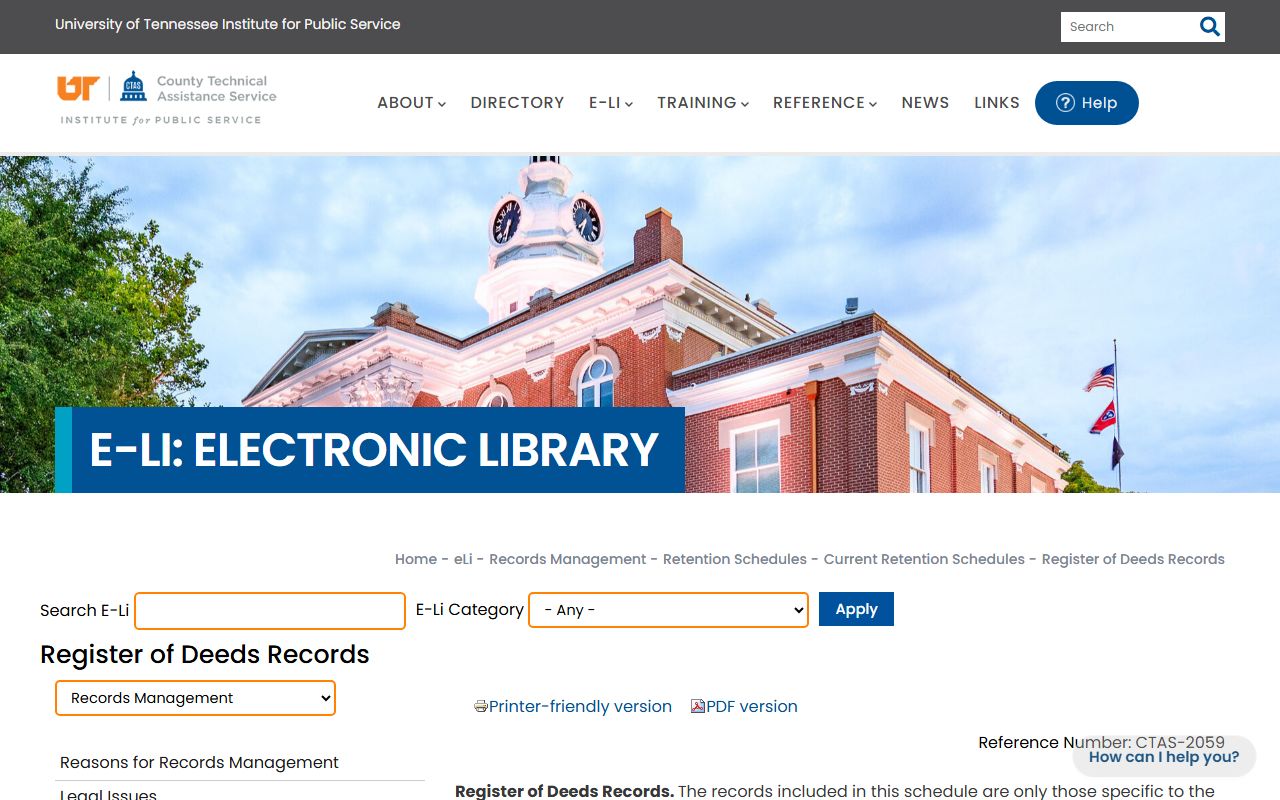
The state CTAS guide is useful when you want to know which paper is permanent, which one clears a debt, and which one should be searched by name first.
Giles County Deed Records Filing Rules
Giles County follows Tennessee deed-record rules. A recording should be legible, properly signed, and ready for the index. The CTAS legal issues guide says deeds need original signatures, the right acknowledgment or witness setup, the preparer's name and address, and current owner and taxpayer details. If one of those pieces is missing, the office may have to stop the filing until it is fixed.
Several other items matter too. The derivation clause links the new deed to the older one. The parcel identification number helps the office match the tract. Tax may apply to the transfer or mortgage. All of those pieces are part of what lets the register accept and store the paper as an official county record.
Tennessee's race-notice rule makes prompt filing important. A deed that is recorded first can control priority when the later party had no notice. That is why Giles County deed records should be filed soon after closing, not left to sit while someone looks for a missing attachment.
Note: A clean filing saves time on the back end. The better the paper is prepared, the easier it is to search later.
More Giles County Deed Records Tools
The state archive guide and the county office information are the two best public paths for Giles County. Add the county assessor tools when you need the parcel ID or current owner. That combination usually gets you from a rough name to the right deed book much faster than a blind search at the counter.
For older names, the TSLA microfilm trail can be the fastest road. For newer land changes, the office and assessor records should line up well. If they do not, work the time line again and check whether the deed was recorded later than the sale.
| Register | Tammy Helton |
|---|---|
| Address | 1 Public Square, P.O. Box 678 Pulaski, TN 38478 |
| Phone | (931) 363-5137 |
| Fax | (931) 363-1509 |
| thelton@gilescountytn.gov | |
| Records | Deeds, mortgages, liens, powers of attorney, plats |
Giles County Deed Records and State Help
The best Giles County searches use three pieces together: the county office, the archive guide, and the property-assessment cross-check. That keeps you from chasing the wrong tract and helps when a deed was recorded in a later year than the one you expected. The CTAS registers of deeds directory and the CTAS record guide both support that work.
Work those tools in order, and the deed trail usually gets easier, not harder. The county's long land record run is an asset when you know how to use it.