
Lincoln County Deed Records
Lincoln County deed records are the land trail for Fayetteville and the rest of the county. If you need a deed, mortgage, lien, or old index entry, the Register of Deeds office is the key stop. The research packet lists Lincoln County land records from 1809, and TSLA's county microfilm inventory shows deed and trust deed index runs that stretch deep into the nineteenth century. That means Lincoln County searches can start with a name and end in a long book run if the tract is old. Good deed work here depends on the right name, the right year, and the right book range.
Lincoln County Quick Facts
Lincoln County Deed Records Office
The current CTAS listing shows Randy Delap as Lincoln County Register of Deeds at P.O. Box 32, Courthouse, Fayetteville, TN 37334. The phone number is (931) 433-3045, and the county government site at lincolncountytn.gov is the live local confirmation point. Fayetteville is the county seat, so that is the normal place to begin when you need a recorded deed or a copy of a land instrument. Lincoln County deed records sit with the local register, and the office is the best place to ask about book and page references, older index entries, and certified copies.
The county's live deed search page is not as widely surfaced as some Tennessee counties, so the safest path is to use the office itself, the state archive tools, and the CTAS directory together. The county register page is still the live office contact point if you need to confirm current hours before a trip. Lincoln County deed records are easier when you know the office, the year, and the people in the transfer.
The CTAS county register directory is a reliable statewide cross-check for Lincoln County.
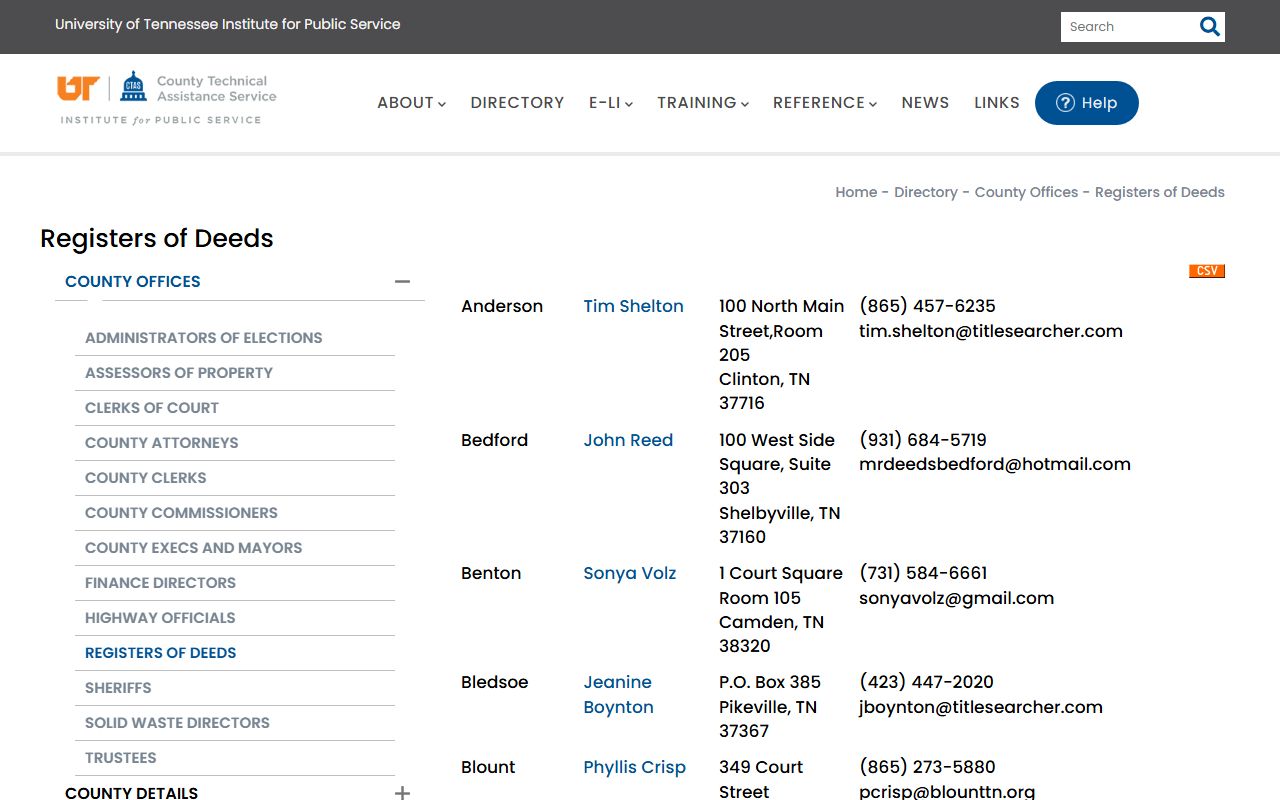
That directory helps you confirm the county office path before you request a deed copy or ask for a historic index search.
Search Lincoln County Deed Records
Lincoln County deed searches work best when you start with a grantor or grantee name. That is the cleanest route through the index. If you only have a parcel clue, the county assessment data can help you get to the right legal description before you open the deed books. The Tennessee property assessment portal at tnmap.tn.gov/assessment is useful for that step. It gives you parcel data that can line up with a recorded deed.
Older Lincoln County deed records benefit from the state archive guides. TSLA explains that deed indexes are usually organized by grantor and grantee, and that older records may not be filed in the same year they were written. The guide at How do I find deeds is the easiest way to see the search logic before you spend time on the wrong book. That matters in Lincoln County because the earliest records are old enough to require a wider date window.
TSLA's county records page at county records gives another backup route when the courthouse index is not enough. For Lincoln County, the microfilm inventory is especially helpful. It shows deed and trust deed index coverage from February 1810 to December 1907, with another index run from July 1848 to March 1852. That is the kind of detail that makes a long title search much easier to manage.
When you search Lincoln County deed records, these details help most:
- Grantor and grantee names
- Approximate recording year
- Book and page if known
- Parcel or tax map reference
- Document type, such as deed, trust deed, or lien
The county assessment and recording systems work best together. The first one points to the tract, and the second one proves the transfer. That is the heart of Lincoln County deed work.
Lincoln County Deed Records Rules
Lincoln County follows the same Tennessee recording rules used across the state. The deed must be legible and ready to index. The office needs the names that belong in the record, the preparer information, the taxpayer information, and enough parcel detail to place the document in the right chain. The CTAS guide to register of deeds records lays out that structure clearly. It is the best quick overview before you file or request copies.
Recording also touches tax law. Under T.C.A. § 67-4-409, transfer tax and mortgage tax can apply to land instruments in Tennessee. That means Lincoln County deed records are not just a filing exercise. They are part of the legal notice chain that protects title. If the paper is not complete, the office may need to stop and send it back before the deed is accepted.
Lincoln County is a good place to remember that older records may live in more than one form. The live office keeps the current file. TSLA keeps the older trail in microfilm and archive form. If you are tracing a family tract or a long title line, both paths matter.
Note: Lincoln County deed records searches go faster when you know whether you need a current filing, an old index entry, or a certified copy.
Historic Lincoln County Deed Records
Historic Lincoln County deed records are unusually useful because the record trail is early and the county seat is stable. TSLA's Lincoln County material shows the sort of index runs that help with old title work. The county formed in 1809, and the research packet says land records start the same year. That gives you a strong hint that some searches will need to move back to the first half of the nineteenth century to make sense of the chain of title.
The TSLA inventory also reminds researchers that a deed is not always recorded when it is written. A deed signed in one year can be recorded later, which is why a strict year-only search can miss the right page. In Lincoln County, a broader date window and a careful read of both grantor and grantee indexes usually work better than a fast guess. That is especially true for early rural tracts that changed hands without a lot of extra paper.
If the courthouse book is hard to read, the archive trail matters even more. Deed records, trust deeds, and related land papers can sit in separate runs. A long search can still come together if you keep the year span wide and the names clear. Lincoln County deed records reward patience more than shortcuts.
TSLA's Lincoln County microfilm inventory is the best place to check the older index coverage before you start a deep search.
Lincoln County Copies And Access
Lincoln County deed records are public records, and the register of deeds office is the right place to ask for copies during business hours. The access rule at T.C.A. § 10-7-503 gives the public inspection right that sits behind this process. In plain terms, if the record is filed and open, you can ask for it. The office can then point you to the file, the book and page, or the copy fee you need to pay.
When you ask for Lincoln County deed records, a narrow request works best. Give the name, the year range, and the document type if you have them. If you only have one clue, the staff can still help, but the search will take longer. The county and the state archive both work better when the request is tight and the names are exact.
The Tennessee Registers Association at tennesseeregisters.com and the county records page at sos.tn.gov/library-archives/researchers/county-records are useful if you need one more route into the land record trail. They do not replace the county office. They just make it easier to find the right trail when the search turns old.
Related Lincoln County Property Records
Lincoln County deed records connect to parcel data, assessment records, and the state business registry. If you are tracing a tract owned by a company, the Tennessee Secretary of State business search at sos.tn.gov/businesses can help you confirm the company name before you open the deed books. If you are tracing the land itself, the assessment portal gives you the parcel side of the same story.
The county deed trail and the tax parcel trail should line up. When they do, the search gets faster and cleaner. When they do not, the mismatch itself can be useful because it tells you to look at a correction deed, a later release, or a split parcel. That is a normal part of Lincoln County title work.
For a broader statewide view, the CTAS directory, TSLA guide, and county records page make a strong set of tools. That mix keeps the search local without forcing you to guess at the age of the record.